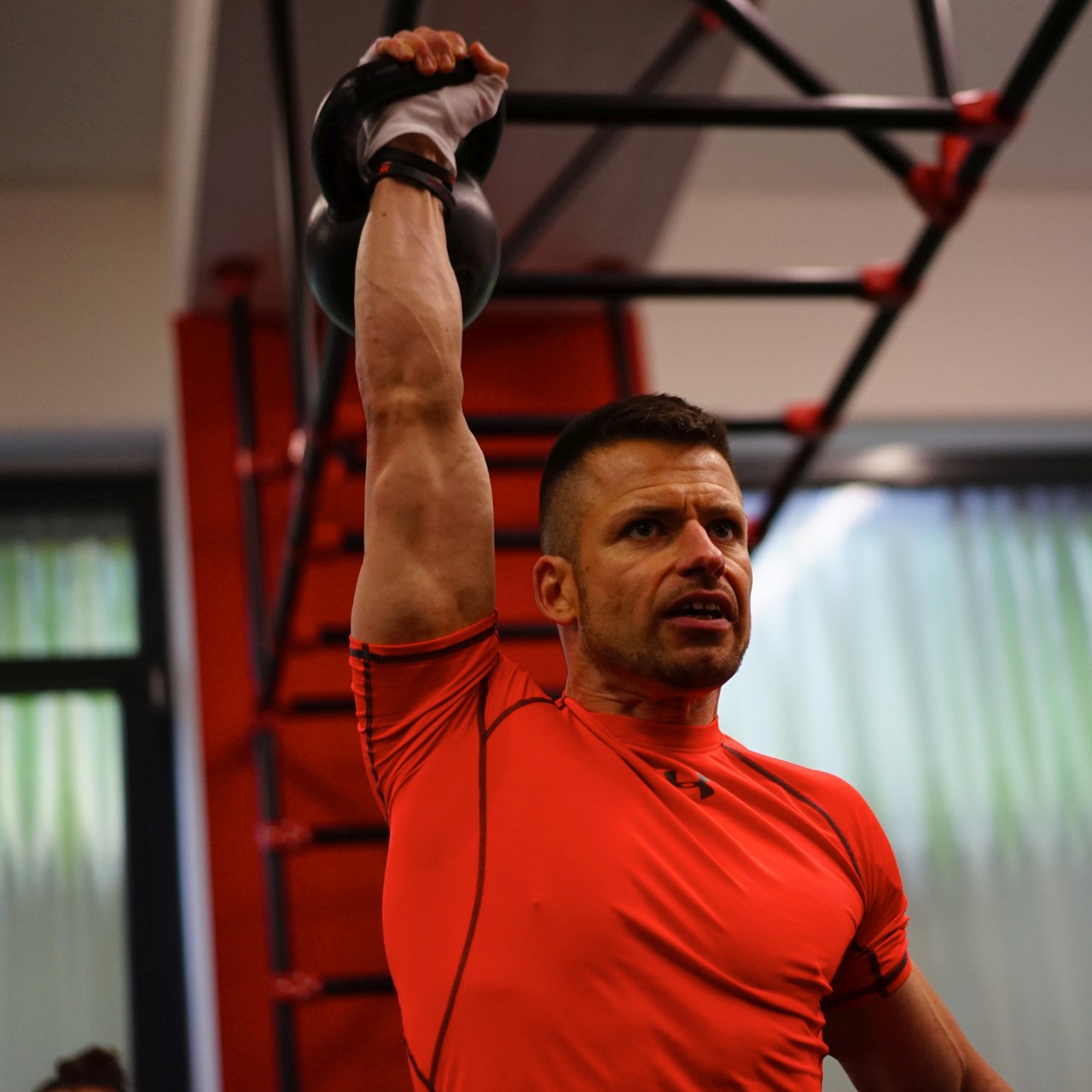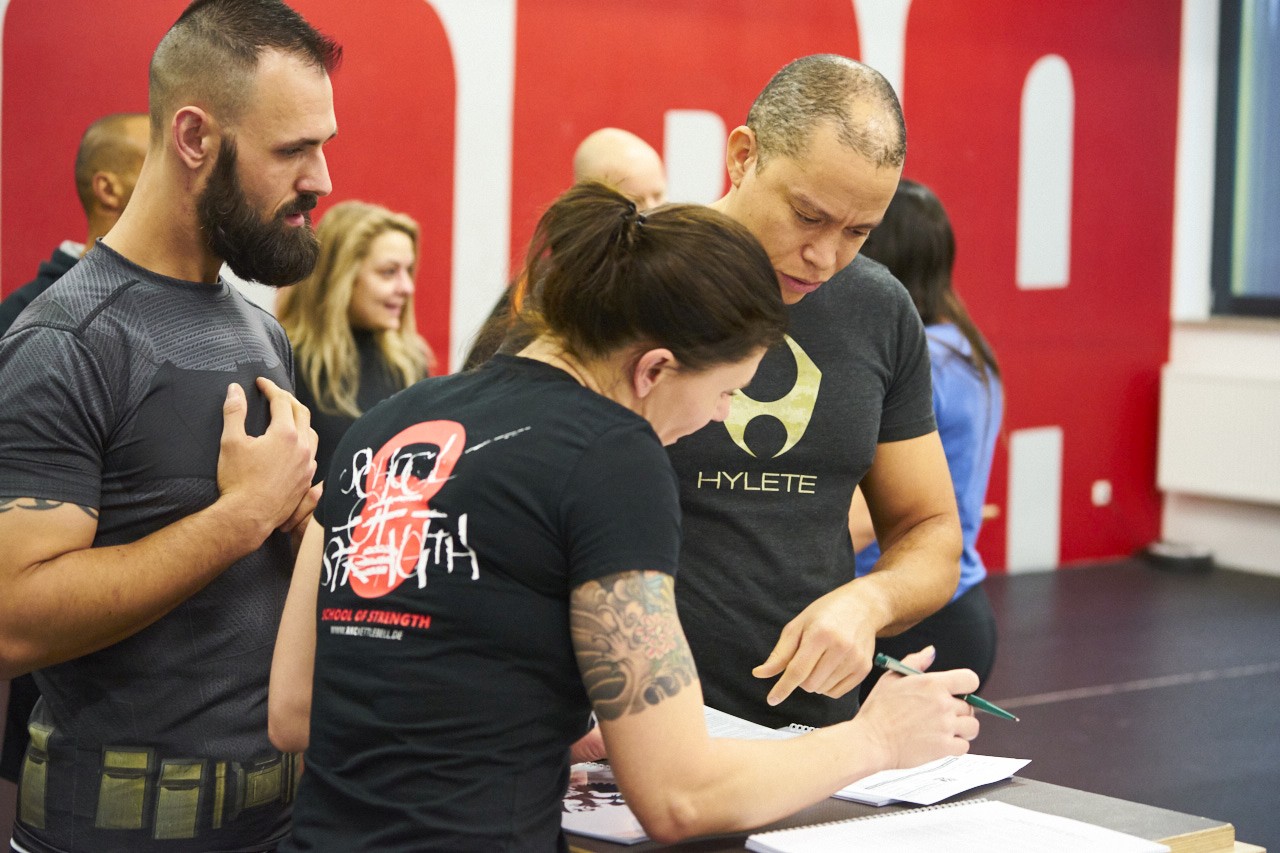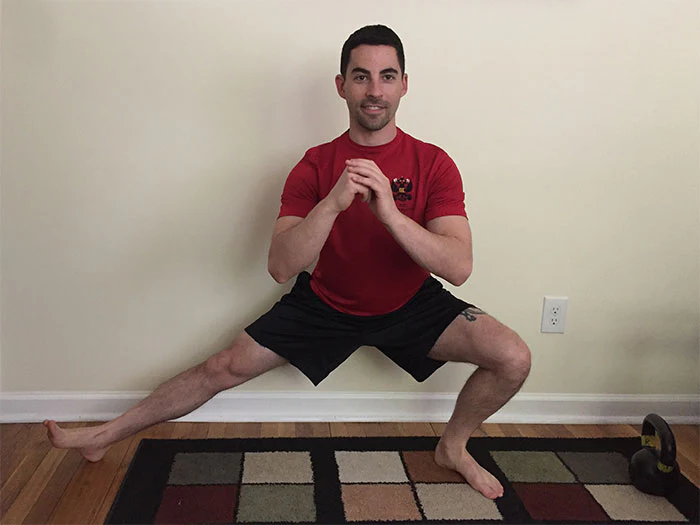
I’m writing this blog while on a train back to DC from New York where I had the privilege of assisting Steve “Coach Fury” Holiner at the RKC-II at Catalyst Sport. The weekend before, I had just recertified as an RKC-II in Atlanta with Andrea Du Cane. This has been a whirlwind “East Coast RKC-II tour” and I’ve loved every minute. Needless to say, I have absorbed a lot of great information from many great people, which has given me plenty of food for thought.
One of the many things I really enjoyed during my recent RKC-II experiences was the programming aspect of the course. During my RKC-II recertification, I was tasked with designing a program for a fellow attendee who is within a demographic I usually don’t train—powerlifters. This challenging assignment forced me out of my wheelhouse to look at programming from a different angle. Then I was also able to hear many different program explanations from great minds in the fitness industry. I came away with many ideas and an interesting question for myself: “Ryan, how will you incorporate this awesome RKC-II information into a typical client’s workout program?”
My typical client is a working professional whose goals might include:
- Getting out of pain
- Preparing for a 5k
- Losing weight and improving muscle definition
The client may be dealing with one or several of the following challenges:
- Lack of mobility/tightness
- Stress
- Lack of time
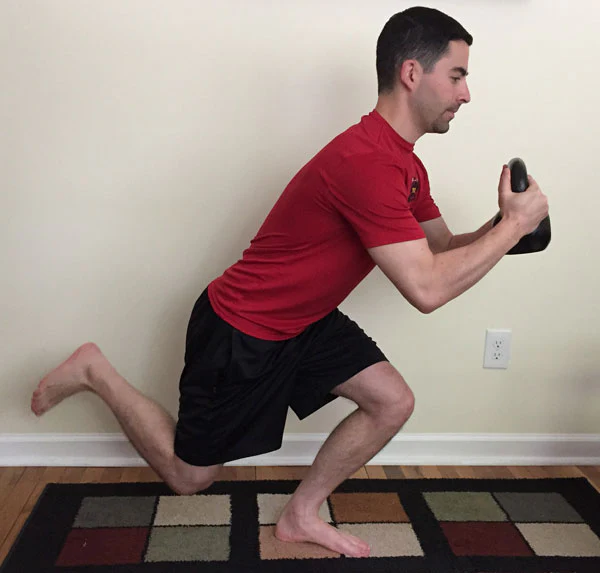
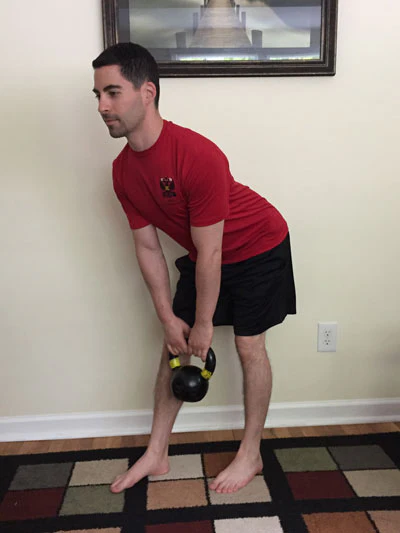
I wanted to know how to incorporate challenging moves like tactical pull-ups, pistols, windmills, or jerks into a program for my clients. The answer lies in the progressions toward these technical and demanding movements.
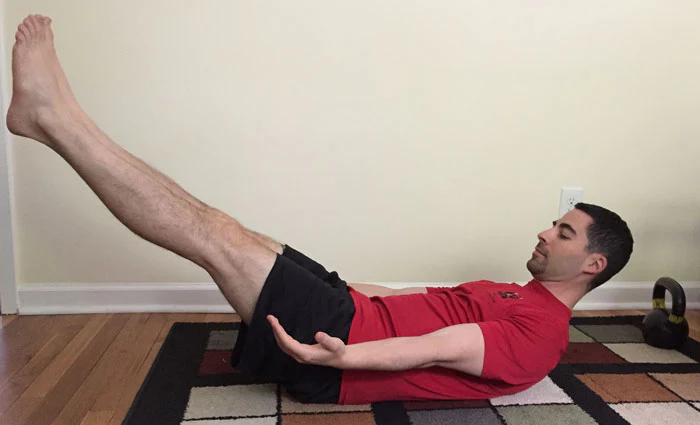
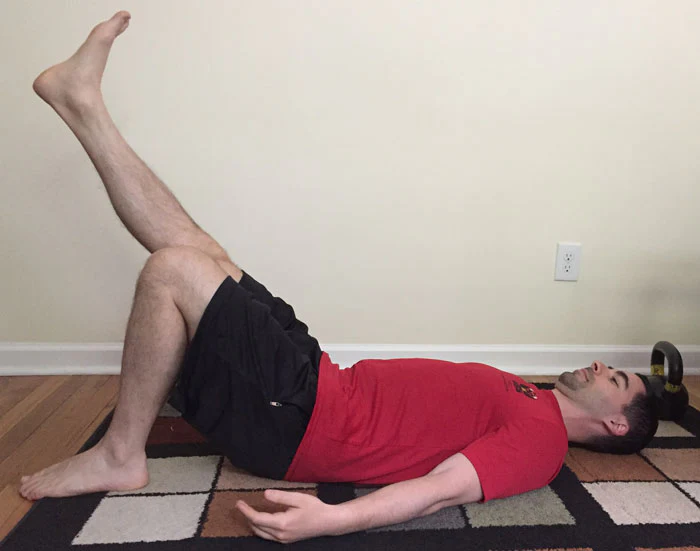
For example, the tactical pull-up is a movement many of my clients can’t do yet, or aren’t interested in learning—and that’s okay. But, the different hollow positions on the ground are great for EVERY SINGLE CLIENT. My clients want core work and I want them to create a solid cylinder of muscle. Boom, done! When the time is right to approach the bar for hollow hangs, leg raises or pull-ups, they will already understand how to stay tight.