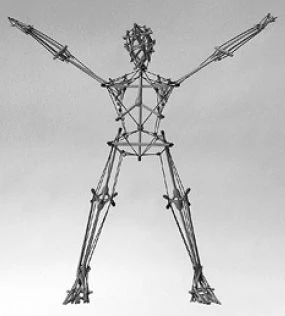
Nerve impulses contract muscles. Muscles and tendons tug on the bones. Ligaments connect bones to other bones, and fascia covers a great portion of the entire system. The skeleton can’t generate movement without muscle contractions. The soft tissue cannot contract to move the bones without the neural input firing impulses into the muscles. It takes all three systems to generate movement.
In perfect human movement, every muscle would be the perfect length, have perfect tension, and have perfect flexibility. The skeletal system would be perfectly uniform and aligned to move with precision and accuracy. The joints would have freedom of movement and quality mobility.
But we aren’t perfect.
Throughout life, we encounter interruptions and interference to our movement system. Here are just a few of them:
- Congenital issues
- Traumas and injuries
- Altered growth patterns
- Diseases
- Poor nutrition
- Lack of quality water
- Lack of quality sleep
- Sedentary lifestyles
- Excess stress
- Poor air quality and pollution
- Lack of movement and exercise (of any type)
These interruptions force the human system to rearrange its alignment, compensate for imbalances, alter movement patterns, and adapt to dysfunctions—all to maintain homeostasis so we can perform in our daily lives. The body will maintain this re-arrangement until there’s a breakdown, an overload, or some type of system collapse. How can we maintain our systems and facilitate efficient function with minimal breakdowns? In other words, how can we move strong(er) in hopes of avoiding catastrophe?
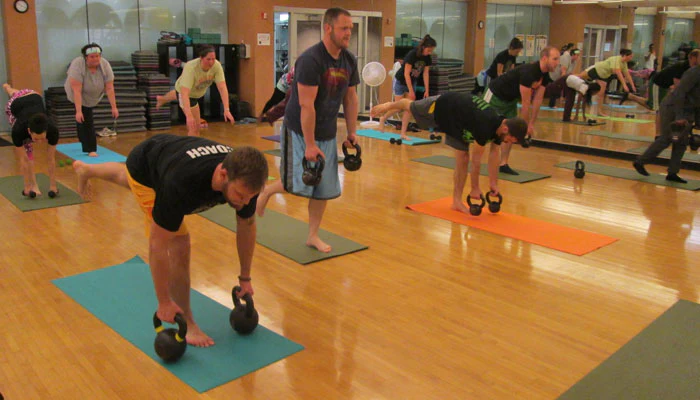
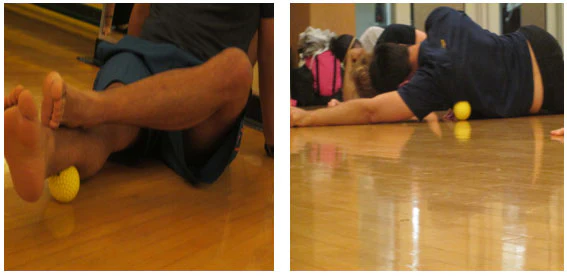
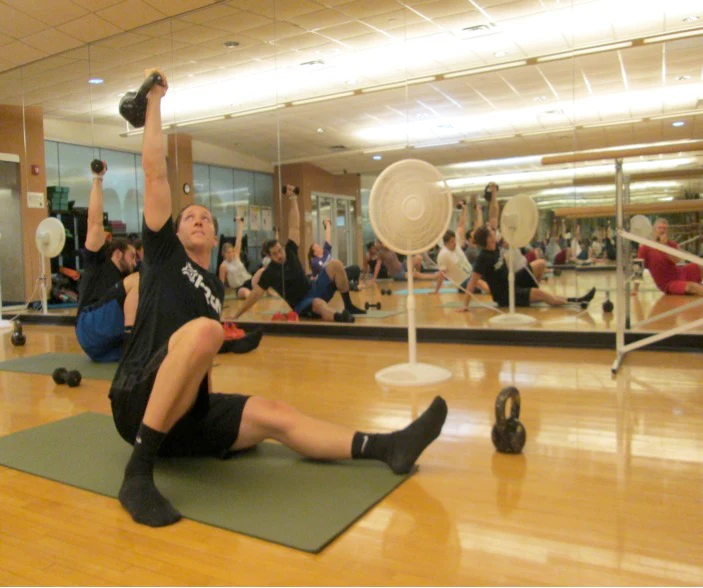
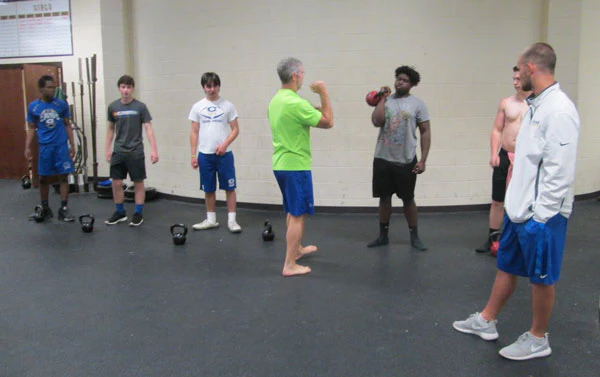
I teach a wonderful class at Life University in the Chiropractic Science Department called Wellness, Movement Assessments, and Conditioning. In this class, we assess movement patterns then determine the soft tissue connections involved in dysfunctional patterns. After collecting all the data, we begin re-training the dysfunctional movement patterns by introducing corrective mobilization exercises and drills. We begin with simple ball rolling on the involved muscles.