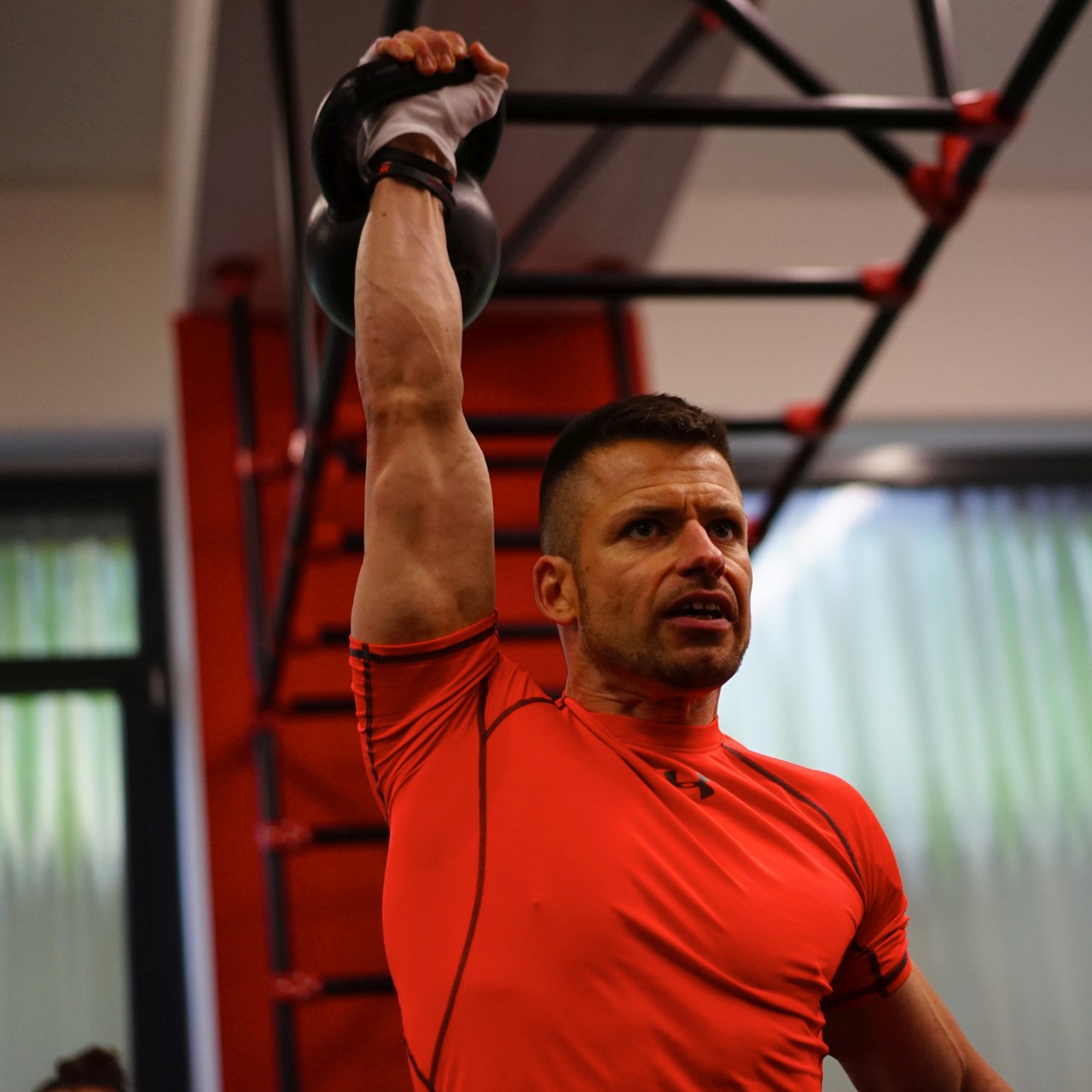
To not only enjoy short-term successes in strength training but to work towards long-term strength gains, regular practice is required, similar to learning an instrument. Every experienced strength athlete will have already felt that kettlebell training can become very intense. Therefore, especially with daily training loads, successfully working towards a set training goal without solid load management is impossible. Structured training planning is essential in kettlebell training, which meets the intelligent adaptability of the human body to set load stimuli. Fundamental training principles and how to implement them in kettlebell training practice "Train hard, but also train smart" is the motto here. But what does that mean concretely? At first glance, training planning seems very complicated when considering all the parameters that need to be taken into account. However, reasonable load management in training does not necessarily have to be tied to abstract percentage figures for weight selection or to a fixed training intensity. Referring to the concept of autoregulation, three essential principles can be identified that greatly simplify practical training planning in kettlebell training – the keywords are continuity, load variation, and specialized variety.
Continuity means that a clear training strategy is recognizable over a longer period, with progressive work towards a specific training goal. A consistent program strategy is pursued. Adhering to this principle is associated with slow training progress but rewards you in the long run with the development of a strong and capable body. Smart training should also include phases of greater load, but also intervals of active recovery with gentler training days or weeks. Only in this way can annoying training plateaus or even injuries be avoided. The concept of load variation in training allows for a change in certain load parameters such as intensity or training volume. This way, considering long-term training goals, more intense and less intense training periods can be designed.
Despite this powerful and simultaneously simple training tool that can lead the body to gigantic adaptations, achieving training progress can sometimes be very laborious. According to the law of biological adaptation, the body will always become better at what you do. The more often the same training stimulus is applied, the less suitable it is for achieving your goals. To the advantage of every strength athlete, the dilemma of a training plateau can also be specifically addressed with the principle of specialized variety. To make further training progress, it is sometimes simply necessary to find a variation of an exercise that challenges your body anew. Aside from changes in intensity or volume in training, this idea can also lead to overcoming plateaus in training intensity. Don’t take the three mentioned principles too literally. The mentioned tools are very easy to apply to your training and ensure that you can achieve your goals with minimal injury risk and planning effort.