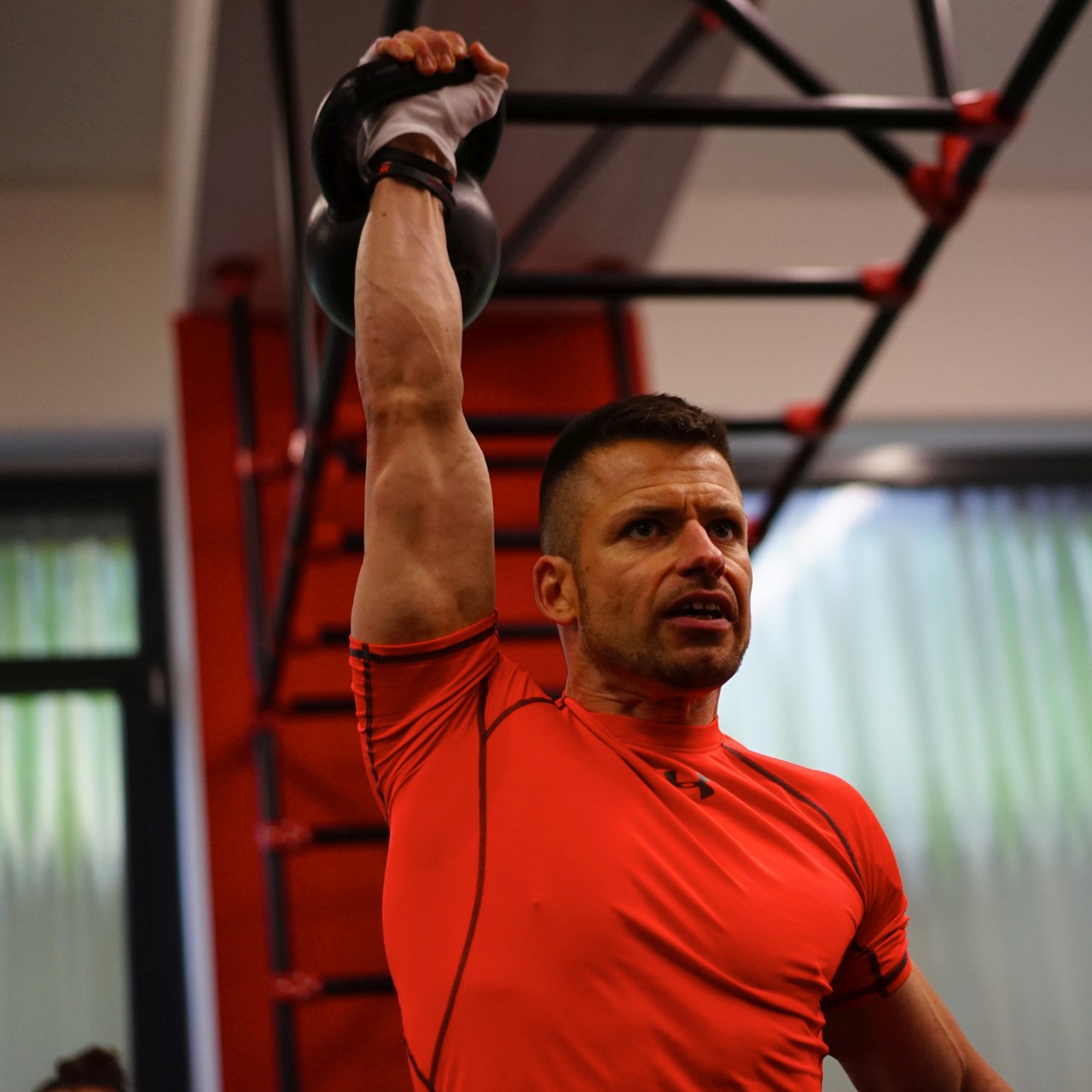
In our fast-paced society, many people feel overwhelmed. Insomnia, grief, anxiety, loneliness, and feelings of weakness become part of everyday life. However, the answer to overcoming depressive episodes can be quite simple: movement! Strength training, such as kettlebell training, brings incredible physical and mental benefits, especially for those in difficult life situations.
Exercise activates the hormonal balance. The neurotransmitter serotonin, which significantly affects our mood, as well as endorphins, and the happiness messengers dopamine and phenethylamine, are released in greater quantities. In other words, this can create targeted moments of success and happiness! A predetermined training plan generates a temporal and organizational framework that can be transferred into everyday planning, while also pointing out physical deficiencies and the resulting training priorities. Being able to prioritize correctly often wards off feelings of helplessness when dealing with problems.
Through weight reduction and muscle building, appearance changes and promotes a new self-confidence. Satisfaction with oneself has an attractive aura and conveys a positive feeling. Movement also helps develop functional and physical strength, as well as better mobility. These promote the feeling in emotional, sensitive people that they can better face challenges and overcome difficulties. Additionally, deadlifts or swings can help prevent back pain. A better body awareness sharpens our senses for specific movements, and in unpredictable situations, such as accidents, physical strength plays to our advantage. Someone who engages in strength training will repeatedly be brought to their physical and mental limits, as each session requires a new, realistic self-assessment. The realization of what one is good at and what still needs improvement leads to less frustration.
Training with weights has many other advantages: tendons, ligaments, joint cartilage, and bones adapt to the training load and become stronger and more resilient, resulting in greater resistance to pain and injury. Physical complaints are well-known in cases of depression, which can be avoided this way.
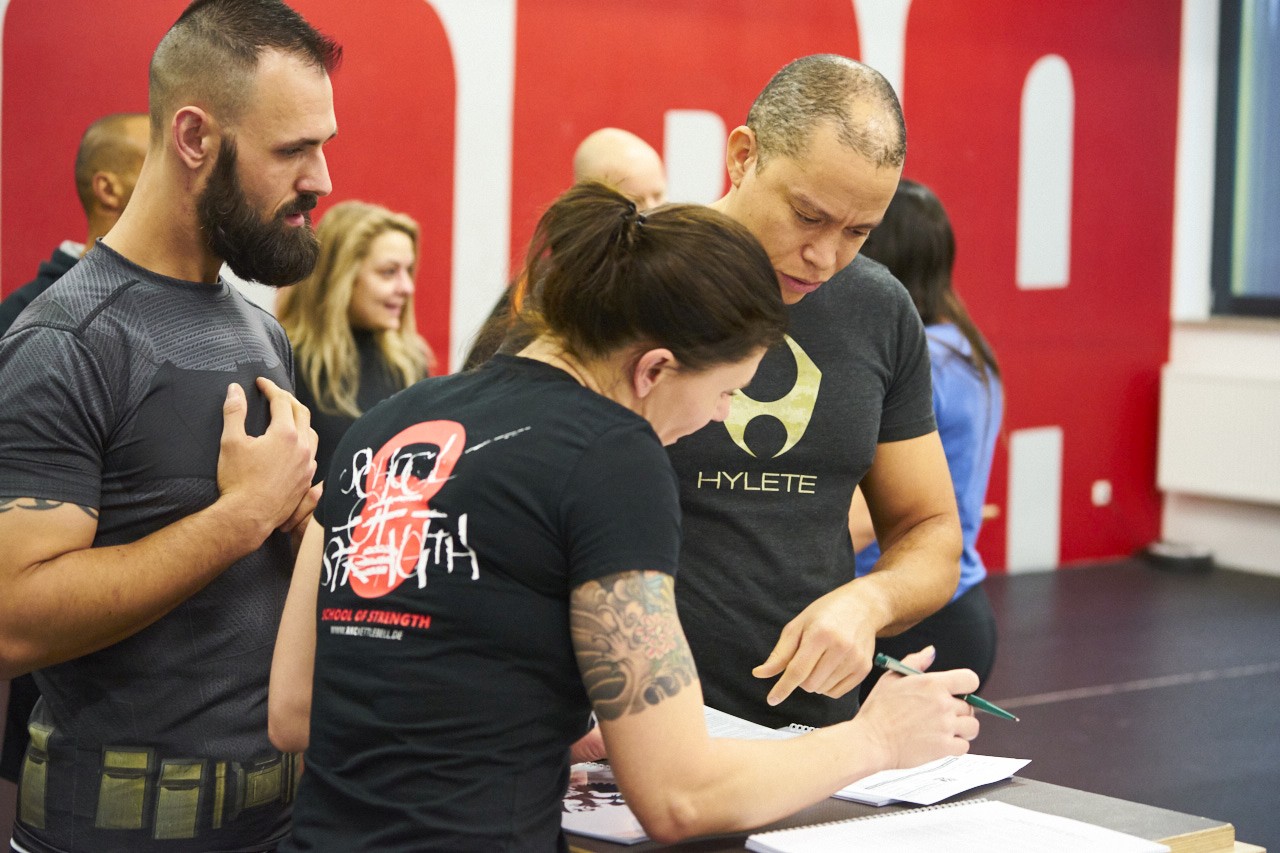
Those who can endure more -> can handle more! Many people suffering from depression also complain about loneliness. Group training creates a community, and mutual support is experienced. Moreover, one remains in constant dialogue and is thus protected from isolation. As a result of strength training, one learns patience, consistency, and not to give up immediately at small obstacles, as this is often the crux for many people in interpersonal and professional life.
Conclusion: In addition to improved appearance, a condition is created that literally makes one happy. So grab the kettlebell and move away from negative thoughts! Yours, Sara